
Engineering note
How to Design a Rugged Fanless Edge Computer
Engineering considerations for rugged fanless edge computers: power transients, thermal paths, connectors, EMI, software and production test.
Read the note →A scalable edge-computing family combining ForgeEdge-Core processing, an Alvexis carrier, field interfaces and passive cooling in BOX or PCB packages.
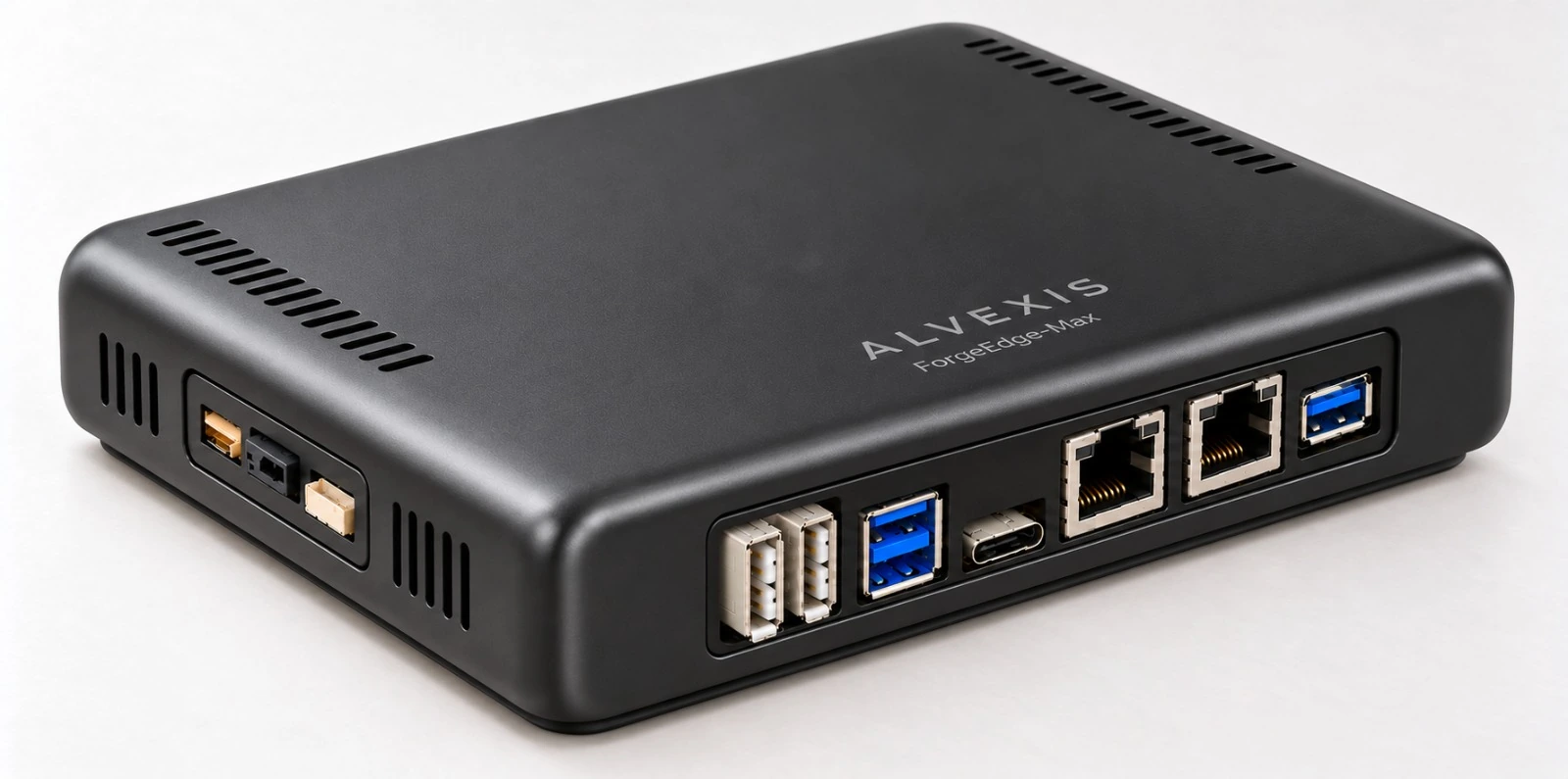
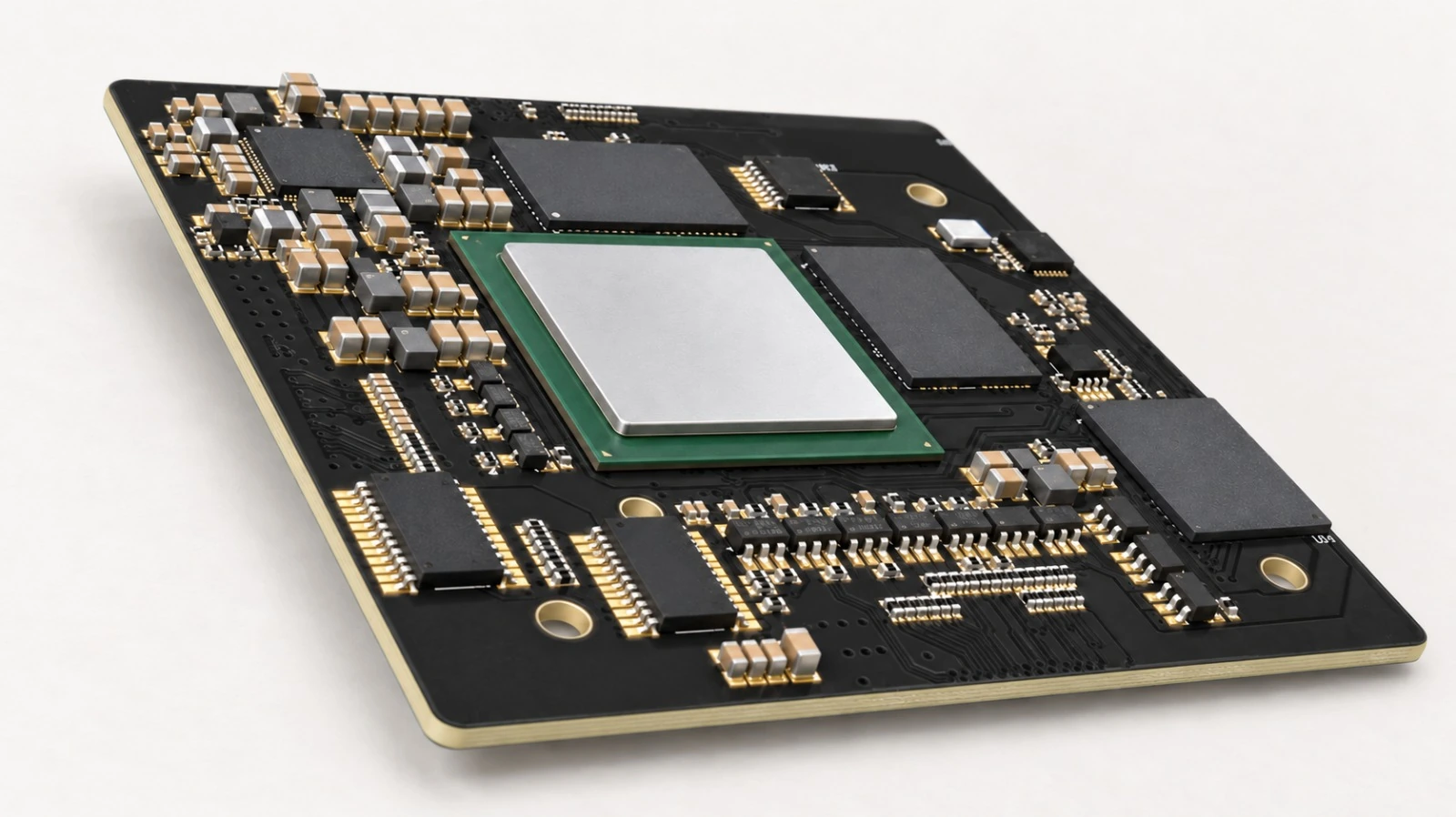
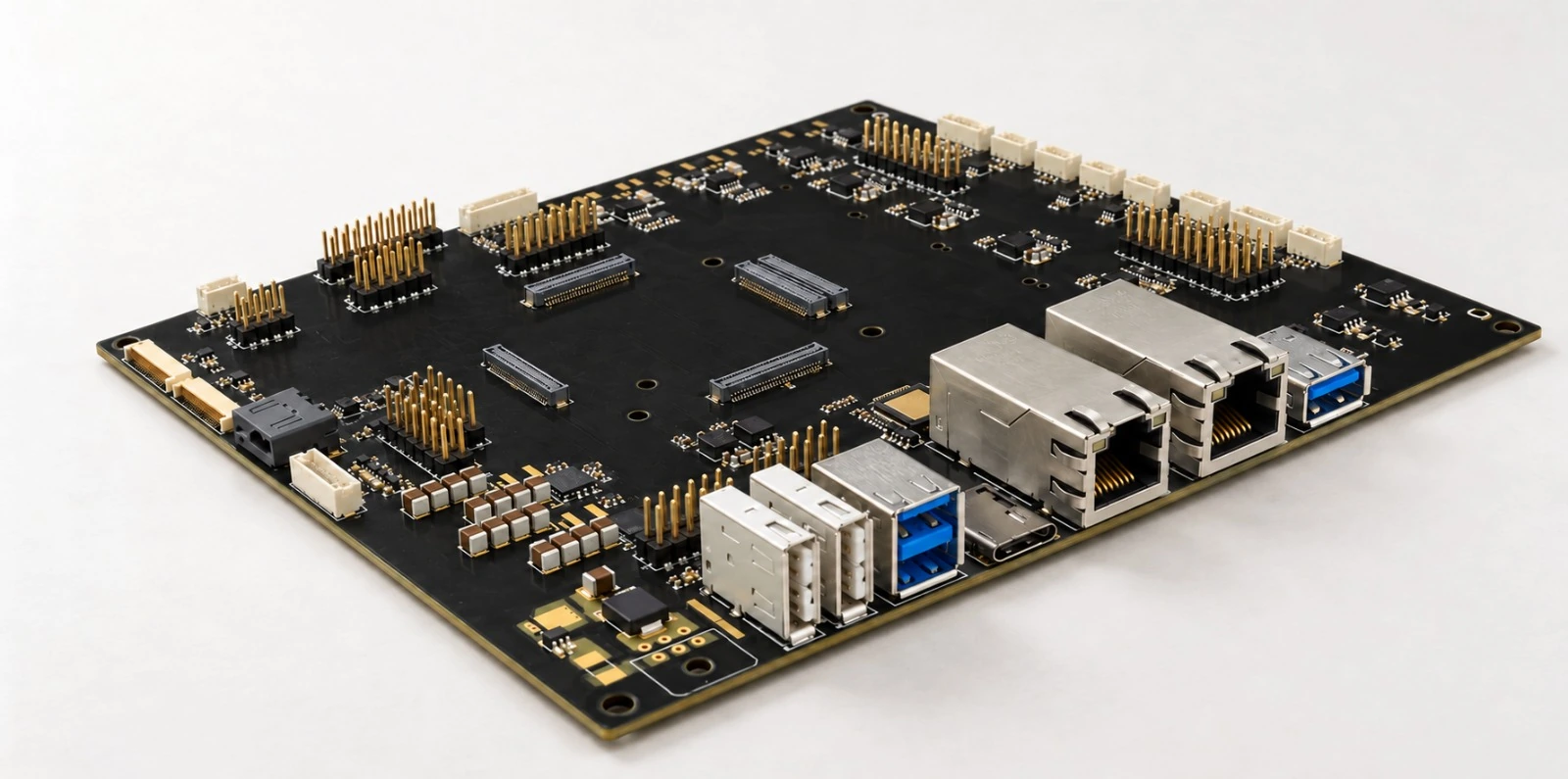
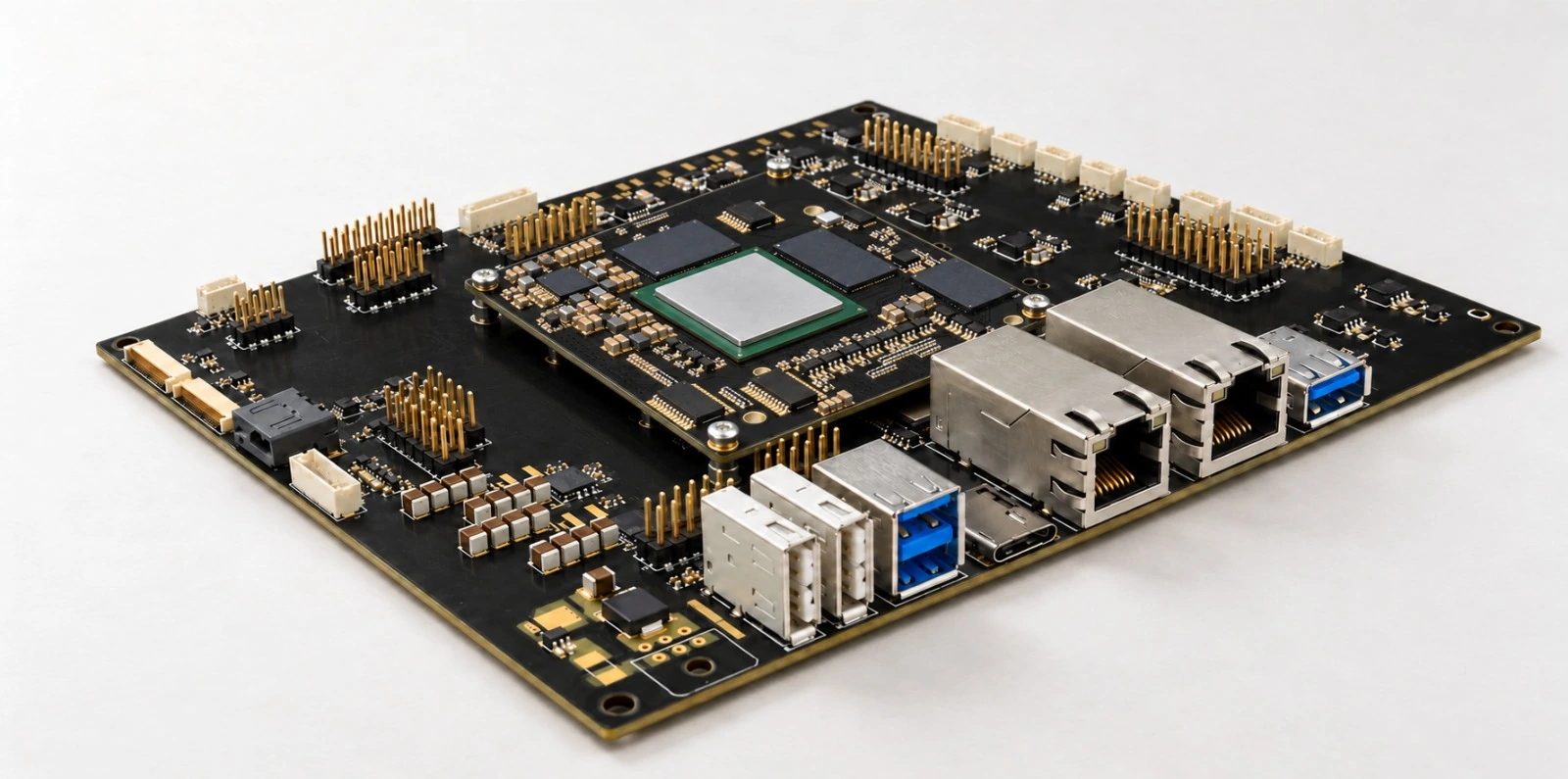
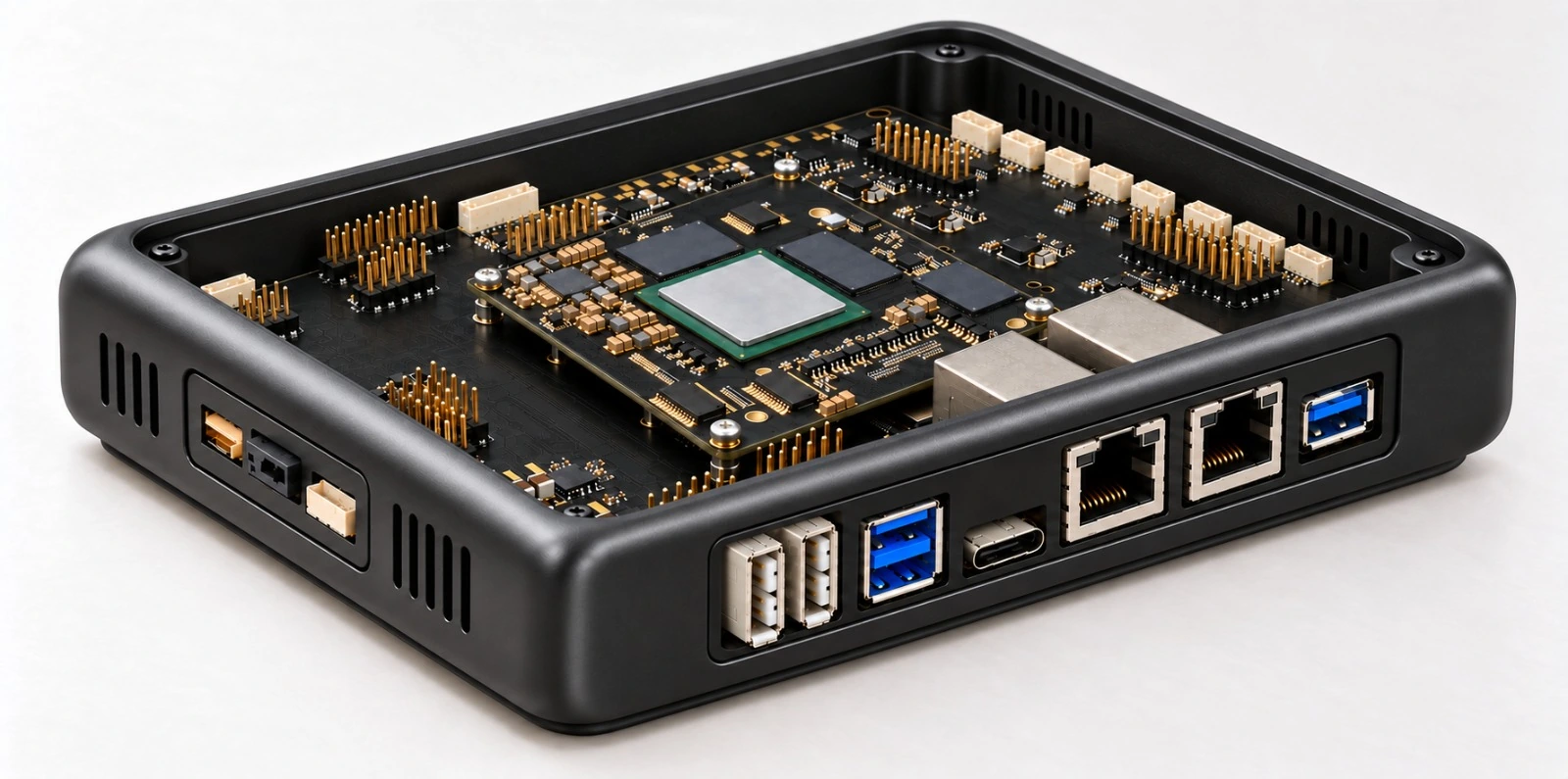
ForgeEdge turns a selected compute tier into an integrated system for local AI, sensor fusion, industrial gateways, robotics and machine vision. Spark, Gate, Prime and Max variants let the processor, memory and expansion configuration follow the application.
Choose low-power inference, Linux networking, real-time processing or advanced multi-camera AI without confusing the tiers.
Ethernet, CAN / CAN-FD, camera, display, USB and PCIe availability follows the selected variant and carrier.
Passive cooling, wide-input DC power and optional DIN-rail or wall-mount adapters support panel and system integration.
Selected specifications from the ForgeEdge datasheet. Refer to the document for the full configuration and integration notes.
| Area | Specification |
|---|---|
| Power input | 9–36 V DC with reverse-polarity and overcurrent protection |
| Enclosed dimensions | 115 × 100 × 50 mm; 300 g as listed in the datasheet |
| Open PCB | 105 × 90 mm; approximately 20 mm height; 120–150 g |
| Enclosure | Plastic body with aluminium heatsink cover; IP20 |
| Mounting | Optional 35 mm DIN-rail / wall adapters; 4 × M3 PCB mounting holes |
| Operating temperature | −40 °C to +80 °C as specified in the datasheet |
| Humidity | 5–95% RH, non-condensing |
| Cooling | Passive; power and thermal profile depend on compute tier |
| Tier | Processor architecture | Memory configuration / peak power |
|---|---|---|
| Spark | Cortex-M55, 800 MHz | 32 MB PSRAM / 4 W |
| Gate | Dual Cortex-A7 + Cortex-M4 | 512 MB DDR3L / 8 W |
| Prime | Dual Cortex-A35 + Cortex-M33 + Cortex-M0+ | 2 GB DDR3L or 4 GB DDR4 / LPDDR4 / 15 W |
| Max | Six Cortex-A55 + Cortex-M7 + Cortex-M33 | 16 GB LPDDR4X / LPDDR5 / 25 W |
Interface counts and AI acceleration are variant-dependent. External accelerators require an appropriate PCIe / M.2 configuration and software support; accelerator ratings are not guaranteed application throughput. IP20 is the enclosed configuration listed in this revision.
Ordering: FE-1-[SPK / GTE / PRM / MAX]-[BOX / PCB].
English · PDF · 8.1 MB · Direct download, no registration
Product options and revision-specific integration notes are included in the document.
Engineering considerations for rugged fanless edge computers: power transients, thermal paths, connectors, EMI, software and production test.
Read the note →How timestamps, calibration and deterministic data paths shape robust camera, thermal and inertial fusion at the edge.
Read the note →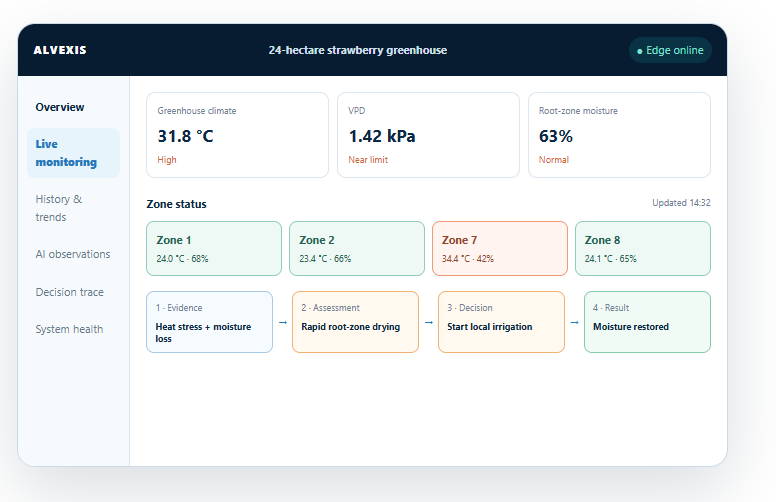
Local agricultural telemetry, AI decision traceability and engineering observability built on the ForgeEdge AI Core.
Explore the solution →